

The short answer is no. It is okay to create websites using AI platforms. John Mueller confirmed this during the Google Search Central update in 2026.
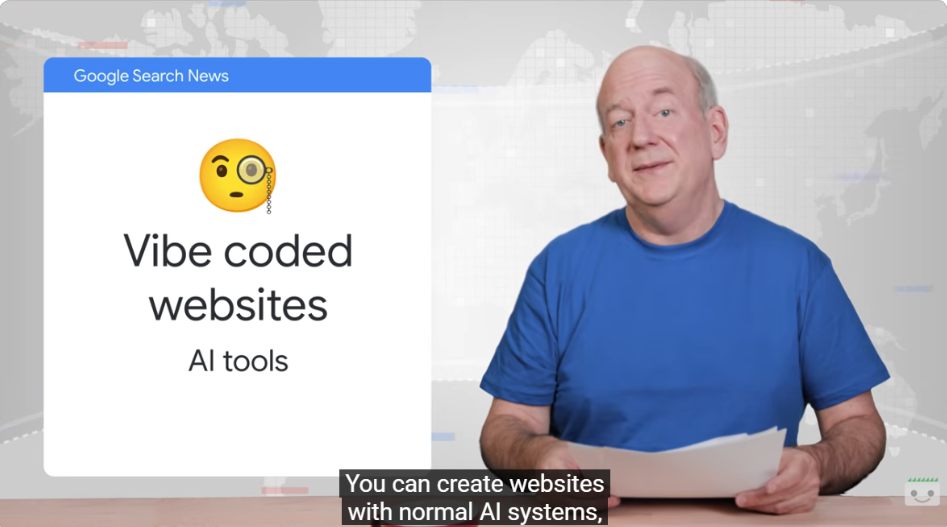
AI-created websites, sometimes called vibe-coded websites, are sites where the user builds the entire site using prompts on an AI-powered platform. According to John Mueller, these are considered normal websites that can be searched on Google. The only condition is that the content actually adds value to the web.
Google has been emphasising Creating Helpful, Reliable, People-First Content, not how the content is produced.
If you are using AI to create low-quality, unoriginal content by copying and pasting, that is a big no. It can trigger a manual penalty from Google.
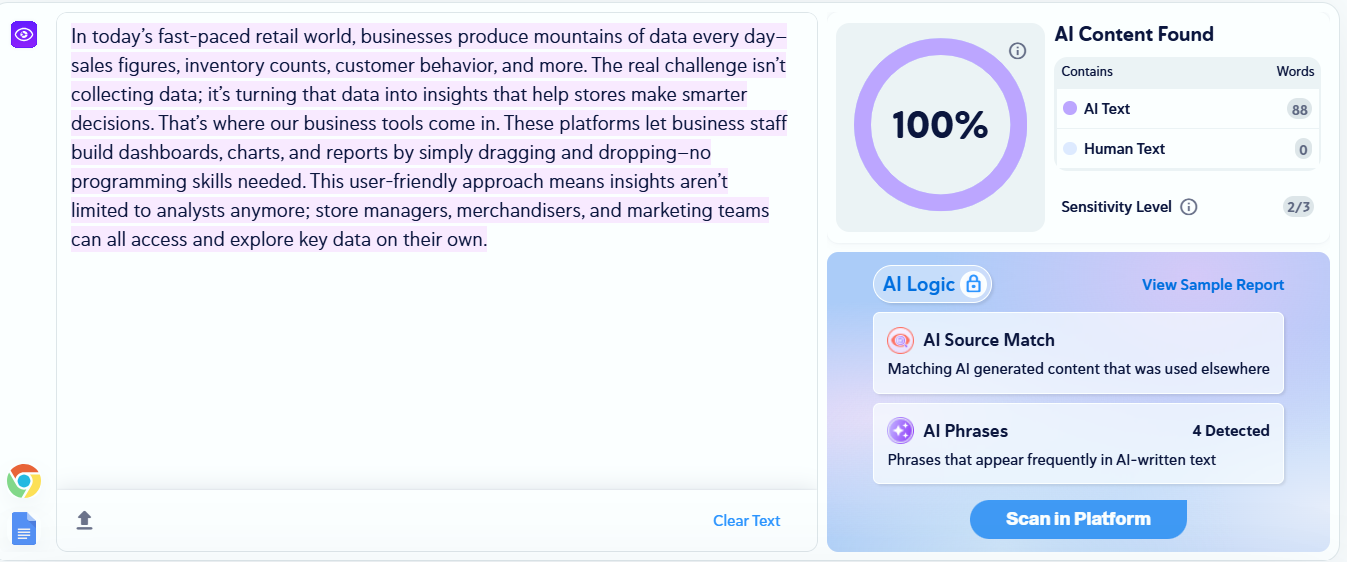
You can check if your content reads as AI-generated using these tools:
- Copyleaks AI detector, by far the most accurate AI content detector, up to 99% accuracy.
- Quillbot.com, useful for checking shorter sentences.
What should you do?
1. Focus on E-E-A-T content
What matters is the quality of the content on your site, not how it was built. Google calls thin, unoriginal pages Spam or Thin content.
As long as you follow the core principles of E-E-A-T (Experience, Expertise, Authoritativeness, Trustworthiness), you are fine. Create content based on personal experience, in your own brand voice, with depth.
Make your website content stand out by:
- Sharing actionable insights with real-life examples your readers can relate to.
- Using a concise and conversational tone to connect with your audience.
- Backing up your claims with credible sources and linking to them as outbound links.
- Keeping a clear formatting structure (like this article) that makes content easy to read and digest.
2. Monitor with Google Search Console (GSC)
John Mueller also encourages all website owners to connect their site to Google Search Console (GSC). It is how you understand potential issues and measure your site’s real performance.
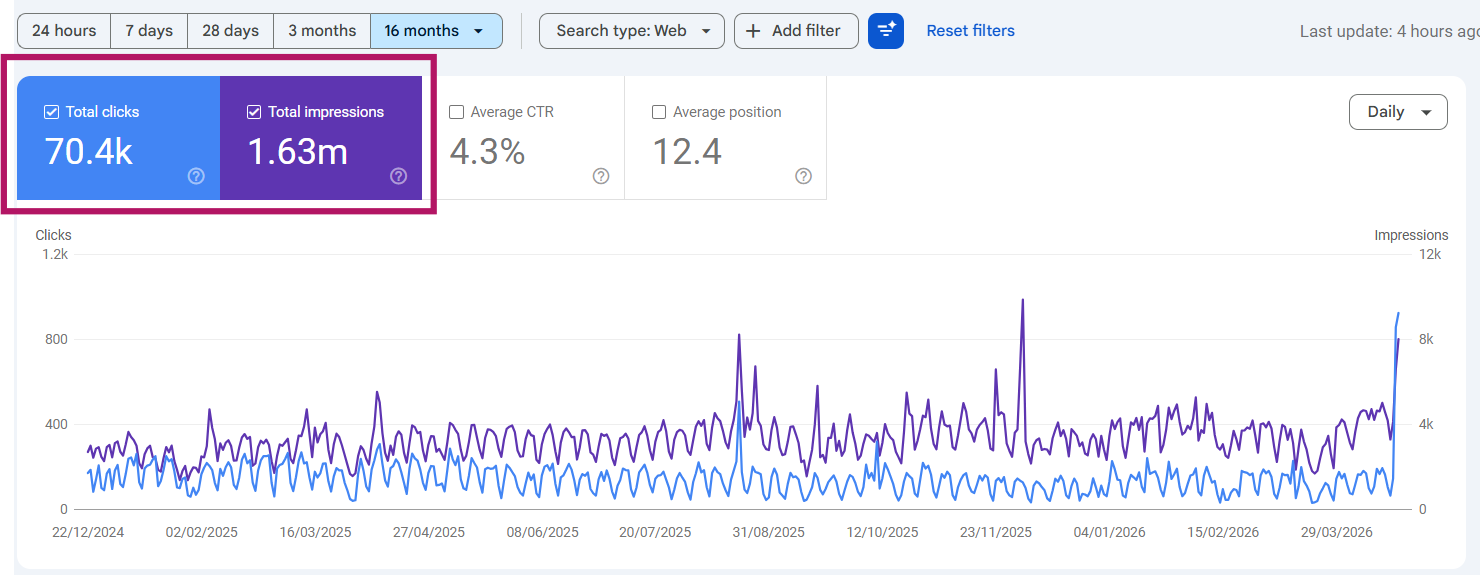
This is an essential SEO measurement tool. Inside GSC you can check total website clicks and total impressions generated organically over time.
3. Choose an easy-to-use AI website builder
Use AI to speed up draft page creation and build a mock-up site quickly.
Choose an AI web builder with a short learning curve while still giving you the flexibility to customise the site’s structure, design, and content.
We recommend gamma.app. It has one of the easiest interfaces, a built-in drag-and-drop experience, and works from a single prompt. Perfect for non-technical beginners.
Summary
Using a standard AI website builder will not affect your SEO performance.
Google does not care whether you used AI to produce the content, as long as that content is genuinely helpful and valuable to the reader.
Focus on creating people-first content that demonstrates expertise and provides real value. Your SEO performance will improve over time.
Frequently asked questions
Does Google penalise AI-generated websites?
No. According to John Mueller's 2026 Search Central update, AI-built websites are treated like any other website on Google. What Google penalises is low-quality, unoriginal, or copy-pasted content, regardless of whether a human or AI produced it.
How do I check if my content reads as AI-generated?
Run it through an AI content detector before publishing. Copyleaks is the most accurate (up to 99%). Quillbot works well for shorter passages. If the detector flags your content, rewrite the flagged sections in your own voice with real examples.
Which AI website builder is best for SEO?
We recommend gamma.app, it has an intuitive drag-and-drop interface, accepts single-prompt generation, and gives you flexibility to customise the design and content. The best builder is one with a short learning curve and full control over headings, meta tags, and on-page content.
Do I still need Google Search Console for an AI-built site?
Yes. GSC is essential regardless of how the site was built. It is the only tool that shows real organic clicks, impressions, ranking positions, and indexing problems. Connect it on day one.
What is E-E-A-T and why does it matter for AI-built sites?
E-E-A-T stands for Experience, Expertise, Authoritativeness, and Trustworthiness. It is Google's framework for judging content quality. AI-built sites win on speed of production but can lose on E-E-A-T if the content is generic. Add real experience, link to credible sources, and write in a clear human voice.